The darknet has become a notorious hub for various illegal activities, including the trade of counterfeit goods. Among the most sought-after items in these hidden marketplaces are fake IDs. These fake IDs are often used for a myriad of purposes, from circumventing age restrictions to engaging in other illicit activities. The allure of anonymity and unregulated commerce attracts countless individuals, eager to acquire authentic-looking identification without the bureaucratic hassle of legitimate processes.
Darknet Market Fake ID
In the world of the darknet, fake IDs can be obtained with relative ease, provided one knows where to look and how to navigate the risks involved. Below are key aspects surrounding the darknet market fake ID.
- Renowned for its extensive inventory of financial data and sophisticated operating methods, Brian’s Club is a key player in the underground economy of financial cybercrime.
- An analysis by the Federal Office for Cybersecurity (BACS) revealed that around 65,000 of the 1.3 million data records published were relevant to the Federal Administration.
- As long as identity remains the key to access, cybercriminals will continue to pick the lock.
- You’ll also learn how to monitor for your organization’s exposed data.
- Such markets are typically accessible through the Tor network, which anonymizes traffic by routing it through multiple relays and encrypting each layer.
What are Fake IDs?
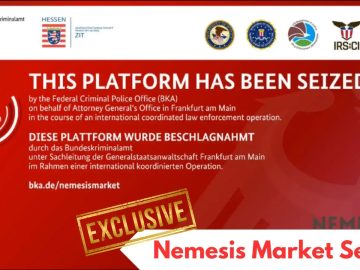
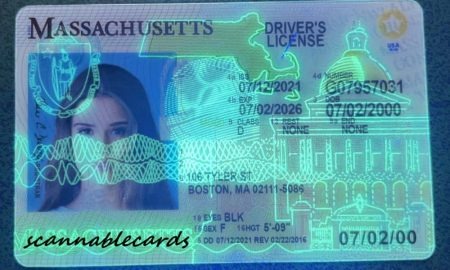
"The operators of VerifTools produced and sold counterfeit driver's licenses, passports, and other identification documents that could be used to bypass identity verification systems and gain unauthorized access to online accounts," the U.S. To that end, two marketplace domains (verif.tools and veriftools.net) and one blog have been taken down, redirecting site visitors to a splash page stating the action was undertaken by the U.S. The scammer used her digital identity by sending fake messages to her contacts, collecting payments fraudulently, and then disappearing without a trace. Moreover, engaging in the trade or use of fake documents supports criminal networks involved in identity theft, human trafficking, terrorism, and organized crime, thereby harming innocent individuals and undermining social trust and security. Protecting yourself and your organization from fake document fraud begins with proactive measures aimed at safeguarding personal data and strengthening overall security practices. Agents often infiltrate dark web marketplaces by posing as buyers or vendors to gather intelligence on illegal activities.
Fake IDs are forged identification documents intended to mislead authorities or institutions regarding an individual's identity. The reasons people seek out these IDs include:
- Gaining access to age-restricted venues such as bars or clubs.
- Purchasing restricted substances that require proof of age.
- Assuming a new identity for various personal or criminal endeavors.
- Illegal activities requiring a semblance of legitimacy.
Where to Find Fake IDs in the Darknet?

The darknet is littered with marketplaces that cater to those seeking fake identification. Some popular sites might include:
- AlphaBay – Known for a wide variety of illegal goods.
- Dream Market – Offers a plethora of counterfeit items including IDs.
- Silk Road – Historically significant in the darknet, still a reference point for fake IDs.
Users must take precautions when traversing these sites, as law enforcement agencies actively monitor them, and scams can lead to financial losses.
Risks Associated with Purchasing Fake IDs
Acquiring fake IDs from the darknet is fraught with dangers, including:
- Legal repercussions – Buying or possessing a fake ID can result in serious legal consequences.
- Fraud – Many sellers on the darknet are con artists, leaving buyers with nothing.
- Data theft – Providing personal information to untrustworthy sources could lead to identity theft.
Alternatives to Darknet Market Fake ID
Instead of venturing into the dangerous realm of the darknet for fake IDs, consider these legal alternatives:
- Obtaining a legitimate ID through proper channels.
- Seeking parent or guardian help for age-restricted activities.
- Using alternative forms of identification that are authentic.
FAQs About Darknet Market Fake ID
- The BidenCash marketplace domains will no longer be operational and will be redirected to a U.S. law enforcement-controlled server, preventing future criminal activity on these sites.
- The structure of Telegram also facilitates access to illegal markets.
- The dark web—accessible only through encrypted networks like Tor—acts as a shielded marketplace where anonymity protects both sellers and buyers, enabling the illicit trade to flourish largely unseen by authorities.
- The darknet encryption technology routes users' data through a large number of intermediate servers, which protects the users' identity and guarantees anonymity.
- By the late 2010s, IDGod had become almost synonymous with fake IDs, representing the industrialization of what was once a local, small-scale business.
- What are the consequences of using a fake ID?
- Using a fake ID can lead to criminal charges, fines, and other legal ramifications.
- Can I get caught if I buy a fake ID on the darknet?
- Yes, law enforcement monitors darknet activities, and many buyers have been arrested.
- Are there reputable sellers on the darknet?
- While some sellers may appear reputable, the nature of the darknet makes it difficult to verify legitimacy.
- What should I do if I suspect I have been scammed?
- Report the incident to your local authorities, and monitor your financial accounts for unauthorized transactions.
In conclusion, while the darknet market fake ID seems like an alluring option for those seeking quick fixes or shortcuts, the potential risks and legal ramifications far outweigh the benefits. Users are encouraged to consider legal alternatives and remain vigilant against deceit.