The darknet marketplace has emerged as a unique segment of the internet where transactions are often shrouded in anonymity and intrigue. Through the use of encrypted networks, users can buy and sell a plethora of goods and services that range from the legal to the illicit. This article delves into the functionalities, risks, and the ever-evolving landscape of the darknet marketplace.
Correlating these signals across Tor-based forums and Telegram channels provides a clearer picture of emerging threats than marketplace visibility alone. Early indicators often include sample data releases, changes in vendor behavior, sudden increases in specific listing types, or discussions about breached organizations. While the surface structure appears organized, underlying risks are high for both users and operators. Most rely on escrow systems to manage transactions, vendor reputation scores to establish trust, and layered operational security to reduce exposure.
Understanding the Darknet Marketplace
The darknet marketplace refers to online platforms that operate on the dark web, allowing users to trade anonymously. Transactions on these marketplaces are typically conducted using cryptocurrencies such as Bitcoin, which provides an additional layer of privacy. Some key features include:
- Anonymity: Protects user identities and prevents tracking by law enforcement.
- Variety of Goods: Offers a wide range of products, from digital goods to contraband.
- Escrow Services: Acts as a mediator in transactions to help reduce fraud.
Popular Darknet Marketplaces
Numerous darknet marketplaces have gained notoriety over the years. Here are just a few:
- Silk Road: The first and most well-known marketplace, which specialized in illegal drugs.
- AlphaBay: A major player that was shut down in 2017, known for its wide range of listings.
- Hansa: Another significant marketplace that was covertly operated by law enforcement before its takedown.
Risks Involved
Engaging in the darknet marketplace poses significant risks, both legal and personal. Some of these include:
- Legal Consequences: Purchasing illegal items can lead to criminal charges.
- Scams and Fraud: The lack of regulation makes users vulnerable to scams.
- Malware and Hacking: Visiting these sites can expose users to cyber threats and hacking attempts.
Safety Measures
- All payments on the platform are via Bitcoin (BTC) and Monero (XMR) for anonymous transactions.
- The style is very bold, but that can equally attract the attention of law enforcement.
- Unlike multi-vendor “everything markets,” it’s often described as a specialized store focused on payment-card fraud supply chains.
- The site is accessed via Tor, and buyers on this site often use PGP (although PGP is not mandatory).
- Like other marketplaces, it also requires registration for new users and accepts payments in Monero.
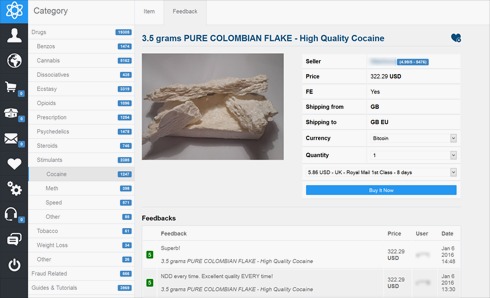
- Dark markets include features similar to those found in legitimate e-commerce platforms, such as product listings, user reviews, ratings, and customer support.
For those who explore the darknet marketplace, exercising caution is essential. Here are some safety tips:
- Use VPNs: Ensure your internet connection is secure and private.
- Stay Anonymous: Use pseudonyms and avoid revealing personal information.
- Research Sellers: Look for reviews and ratings before engaging in transactions.
FAQs about Darknet Marketplaces
To further clarify the complexities surrounding the darknet marketplace, here are some frequently asked questions:
What is the difference between the deep web and the dark web?
The deep web includes all parts of the internet not indexed by standard search engines, while the dark web is a small part of the deep web that requires specific software, such as Tor, to access.
Are all transactions on the darknet illegal?
- Nearly all dark web commerce sites conduct transactions in bitcoin or some variant, but that doesn’t mean it’s safe to do business there.
- Russian Market has consistently remained one of the most popular and valuable data stores on the dark web.
- Others collapse after arrests, server seizures, or exposure caused by poor operational security.
- It’s sobering to realize that your stolen password might sell for just $10 on a dark web forum, or that someone across the globe could be buying a hacker toolkit to target random victims.
- When accessing a website through Tor, the connection is bounced through multiple nodes, obscuring the source of the traffic.
- Platforms that provide clear guidelines for maintaining operational security (OpSec) and offer built-in tools for data obfuscation are especially favored.
No, not all transactions are illegal. Some users trade legal digital products and privacy-focused services. However, a significant portion involves illicit goods.
How can law enforcement track darknet activity?
Law enforcement utilizes various methods, including blockchain analysis, infiltrating marketplaces, and monitoring transactions to track and apprehend individuals involved in illegal activities.
In conclusion, while the darknet marketplace is often portrayed as a realm for illegal activities, it is a complex environment that also hosts a variety of legal transactions. Understanding the intricacies of this marketplace is crucial for anyone considering navigating its digital corridors.