The darknet has long been a hub for illicit activities, where individuals can buy and sell anything from drugs to hacking services. Among the various threats looming over these marketplaces, Distributed Denial of Service (DDoS) attacks serve as a significant concern. These attacks are designed to render a website or service unavailable by overwhelming it with traffic. In the realm of darknet markets, DDoS attacks can have devastating consequences for both vendors and buyers, affecting their privacy and security.
- Sanctioning the various actors in the global cryptocurrency laundering and cashout ecosystem has caused disruptions for these services.
- This guide explores the top 10 dark web markets and beyond for 2026, detailing their strengths, weaknesses, and the key trends shaping the underground economy today.
- This is the error message visitors get when they visit Dream Market.
- These platforms, which offer a degree of anonymity, are riddled with dangers such as exit scams, fraud, and legal repercussions.
- On March 18, HugBunter posted another Reddit article stating that Dread's main Onion domain for the dark web was online and posted an update.
However, in the wake of Hydra’s takedown many Russian vendors set up independent vendor shops and automated Telegram shops employing Telegram shop bots, although this did not imply a wholesale move away from DNMs. Nonetheless, threat actors adapted, with many choosing to move to the “RuTor” forum for communications and to decentralized platforms such as Telegram-based shops for drug advertisements, as well as offline sales. In its wake, the US has also sanctioned several mixers and risky exchanges that handled stolen funds and which had exposure to Hydra wallets. The tactic makes it more difficult for attackers to hit a moving target, but it also makes it easier for phishing scams to fool victims who don’t know which market is real or fake. The attackers have made what some forum administrators call “silly demands,” implying that lucrative extortion is the goal.
Darknet Market DDoS
- “Silk Road, a digital black market that sits just below most internet users' purview, does resemble something from a cyberpunk novel.
- Even though most dark web markets require registration, the process is open to the public.
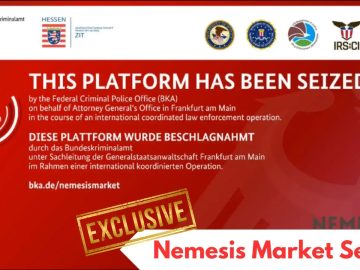
- In June 2025 Europol took down the Archetyp Market with an estimated 3200 registered vendors and 600,000 customers worldwide.
- “On March 26, customers and vendors logged into their Dream Market accounts and found themselves unable to use the marketplace’s most basic functions.
- The deep web includes all content not indexed by search engines, like password-protected sites and private databases.
DDoS attacks on darknet markets are particularly effective due to the anonymity provided by these platforms. While conventional websites can be defended with firewalls and mitigation techniques, darknet markets often operate on a more vulnerable infrastructure. The following sections delve into the motives, methods, and implications of DDoS attacks within this shadowy segment of the internet.
Due to the decentralized nature of these markets, phishing and scam sites are often maliciously or accidentally referenced. Dark web news and review sites such as the former DeepDotWeb, and All Things Vice provide exclusive interviews and commentary into the dynamic markets. The dedicated market search engine Grams (closed December 2017) allowed the searching of multiple markets directly without login or registration. In August 2021, AlphaBay was relaunched after the return of one of the original security administrators DeSnake.
Trapify takes the privacy of its sellers and buyers seriously. But the value is in the interface – no messy code, and no lag time. It is serious about DDoS protection, blocks JavaScript completely (a smart choice when it comes to security). The difference with these takedowns versus others is that, typically, shutting down a market means that it is shut down forever. While we don’t condone any illegal activity, understanding this hidden ecosystem is crucial for staying informed about the modern cybersecurity threats that emerge from it. People often venture into the dark web out of curiosity or for cybersecurity research, yet it remains a risky environment where caution is essential.
Motives Behind DDoS Attacks
- Competitive Advantage: Vendors may launch DDoS attacks against rival markets to disrupt their operations and capture their clientele.
- Revenge: Dissatisfied customers or ex-vendors may resort to DDoS as a form of retaliation.
- Anonymity: The nature of darknet operations allows attackers to conceal their identity, making them feel empowered to disrupt services.
Methods of Execution

Executing a DDoS attack on a darknet market often involves several techniques:
- Botnets: Attackers utilize networks of compromised devices to flood the target with requests.
- Amplification Techniques: By exploiting certain vulnerabilities, attackers can amplify the volume of traffic directed at the target.
- Application Layer Attacks: These attacks focus on specific applications or databases within the market, crippling its operational capabilities.
Implications of DDoS Attacks

The consequences of DDoS attacks extend beyond mere downtime:
- Loss of Revenue: Prolonged inaccessibility can lead to significant financial losses for vendors.
- Loss of Trust: Users may become wary of utilizing markets that frequently experience downtime due to attacks.
- Legal Repercussions: Although operating in the shadows, the perpetrators could still face legal consequences if identified.
FAQs
- What is a DDoS attack?
- A DDoS attack aims to overwhelm a server or network with traffic, rendering it inaccessible to legitimate users.
- Why are darknet markets targeted by DDoS attacks?
- Darknet markets are often targeted due to their competitive nature and the anonymity afforded to attackers.
- How can darknet markets protect themselves against DDoS attacks?
- While protection is challenging, using Cloudflare-like services and maintaining redundancy can help mitigate risks.
In conclusion, DDoS attacks pose a persistent threat to darknet markets, creating a precarious environment for vendors and users alike. As the cat-and-mouse game between attackers and defenders continues, understanding the implications of these attacks remains critical for anyone involved in or observing this clandestine digital ecosystem.