The darknet market landscape has evolved significantly over the past decade, with various platforms emerging and disappearing. Among these, AlphaBay stood out as a prominent player, offering a wide range of illicit goods and services. Launched in 2014, AlphaBay quickly garnered attention for its extensive inventory and user-friendly interface, making it a go-to site for many seeking prohibited items in the hidden corners of the internet.
At the time of its demise in July 2017, AlphaBay had over 400,000 users, and around 300,000 listed items on their website. Non-standard services included customizable digital contracts around building reputations.
Darknet Market AlphaBay
AlphaBay operated using the Tor network, which allowed users to access the site anonymously and conduct transactions with relative security. This anonymity was a key factor in attracting both buyers and sellers, many of whom were looking for a place to trade goods that are illegal in many jurisdictions. The market featured an array of products, from drugs and counterfeit currencies to hacking tools and stolen data.
User Experience on AlphaBay
The user interface of AlphaBay was notably intuitive, making it accessible even to those new to the darknet market. Products were categorized clearly, and detailed descriptions with user reviews provided essential information for potential buyers. The escrow system, which held funds until the buyer confirmed receipt of the goods, helped build trust within the community, further enhancing the market's appeal.
Community and Culture
- Concerning rules, items newly prohibited from sale include COVID-19 vaccines, firearms, products containing the narcotic fentanyl, pornography, and "hitman services".
- It dominated Russian and Eastern European trade in drugs and stolen data.
- Many sites use Bitcoin multisig transactions to improve security and reduce dependency on the site's escrow.
- He and AlphaBay were invoked at every law enforcement conference on cybercrime, every interagency meeting, every training event.
One of the defining features of AlphaBay was its vibrant community. Users could partake in forums to discuss various topics related to their purchases or share insights about security practices when navigating the darknet. This sense of community not only fostered engagement but also encouraged a culture of caution and security, as members exchanged tips on how to avoid scams and maintain anonymity.
The Downfall of AlphaBay
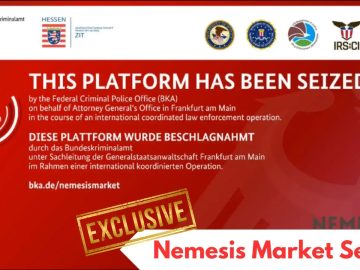
Despite its popularity, AlphaBay faced numerous challenges, particularly from law enforcement agencies. In July 2017, the platform was dramatically seized by the FBI, resulting in its shutdown. This event sent shockwaves throughout the online darknet community, leaving many users scrambling to find alternative markets. The abrupt end of AlphaBay highlighted the ongoing cat-and-mouse game between illicit online marketplaces and authorities.
Legacy of AlphaBay
The closure of AlphaBay left a significant void in the darknet ecosystem. Many former users migrated to other marketplaces, but few managed to replicate the same level of success and user satisfaction. The legacy of AlphaBay is a reminder of the ever-changing nature of the darknet, where markets come and go, but the demand for anonymity and access to illegal goods continues unabated.

In conclusion, AlphaBay was more than just a darknet market; it was a phenomenon that reflected broader societal challenges related to privacy, security, and the illegal economy. Its rise and fall underscore the complex dynamics of online marketplaces operating in the shadows, and its impact will be felt in the ever-evolving landscape of the darknet.